


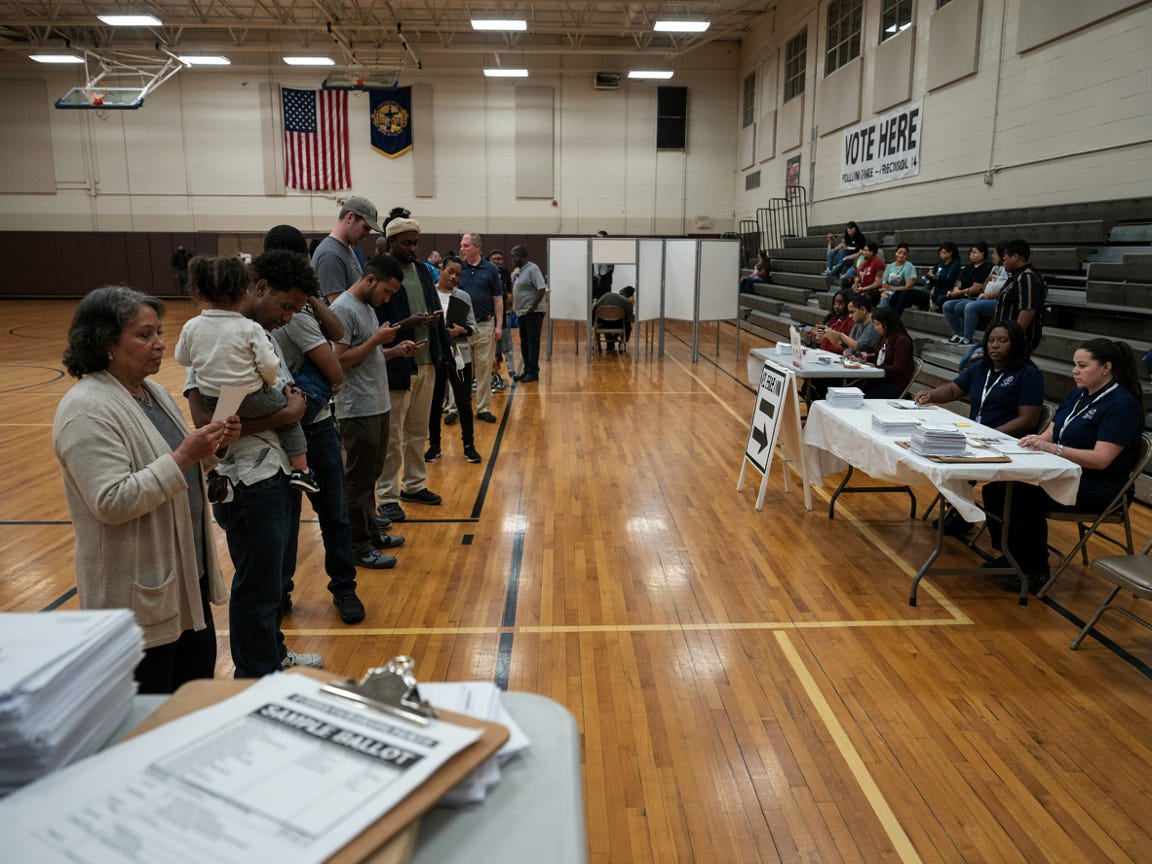
In 2022, 13.5% of our population decided the fate of our Constitution.
How can that be? Simple. A proposed amendment passes with a simple majority of the votes cast on that amendment. Not a majority of registered voters. Not even a majority of everyone that votes because not everyone fills out the whole ballot.
ATTENTION CITIZENS: Registered voters are not the same as votes cast.
In 2022, the “winning majority” was actually a “winning minority” of 21.02 percent of registered voters (Amendment C, June 2022).
The foundational document of our state, designed to protect everyone, was decided by roughly one-fifth of the people on our voter rolls.
Those changes are as good as permanent. The Legislature can fix a flawed law. It cannot fix a flawed amendment. Once it is in the Constitution, only another statewide vote can undo it.
Here’s what Amendment L does not do. It does not touch Initiatiated Measures or Referendums. Since 1898, South Dakotans have had the direct-democracy power to write laws and to overturn the Legislature’s laws by a simple majority, and that remains untouched.
Amendments and laws are not the same thing. Amendments are for structural principles because they are inflexible, have permanency, and are ill-suited to support programs and policies that require funding and administration, which laws are suited for.
Medicaid Expansion is an example. It was voted into our Constitution in 2022. Then in 2024, the Legislature proposed Amendment F to authorize work requirements for certain expansion recipients, and voters approved. Now we have Amendment I on the ballot in 2026 addressing the fiscal risk created by constitutionalizing the program.
This is not an argument for or against Medicaid Expansion, but a statement that it does not belong in the Constitution. Passing it as an Initiated Measure would have allowed voters to approve the policy while leaving the Legislature flexibility to manage a complex, multi-billion-dollar government program. Putting it in the Constitution transformed a policy and spending decision into a constitutional obligation, making administering it difficult and risky. Expect more amendments in the future to address the ongoing unintended consequences of Amendment D.
Our S.D. Constitution contains 29 fundamental rights that reflect who we are as South Dakotans. I guarantee there is at least one right you would fight to keep, but right now, a tiny minority can change every single one of them.
Those who say we have a “128-year tradition” of amending our Constitution by simple majority are blurring our history. That power didn’t arrive until 1972, and it became fully direct only in 1988.
And in that time, something else has changed. Out-of-state money, millions of dollars in advertising, now flows into our state to reshape our constitution. These well-funded campaigns, often led by people who don’t live here, have made it their mission to rewrite our Constitution.
One example from 2022’s Medicaid Expansion is The Fairness Project, a national, out-of-state ballot-measure organization that provided hundreds of thousands of dollars, personnel, services, campaign strategy and coalition support to:
Make sure our Constitution remains vulnerable (Amendment C, June 2022, decided by 21.02% of Registered Voters)
Passed Medicaid Expansion (Amendment D, November 2022, decided by 32.2% of Registered Voters).
This campaign season, The Fairness Project has spent at least $1,500,000 to No on L.
These outside influence groups come from both sides of the aisle to shape our state, and we remain exposed as a minority of voters decides our fate.
The United States Constitution requires two-thirds of Congress and three-fourths of the states to change it. They built a high bar on purpose because the most important things deserve the broadest agreement.
Amendment L asks for something far more modest: 60 percent of votes cast. Not two-thirds. Not three-fourths. Not two years of rounds through the legislature, plus a citizen majority like some states require. Just a clear, decisive consensus, so that when we change the document that protects us, we do it together, not by a tiny minority.
Despite what you see on TV or hear on the radio, there are no California billionaires behind the Yes vote. As is evident by the barrage of No vote advertising, clearly the big money is behind the No vote. Why is this true? The money trail proves who benefits when our Constitution is easy to change. Of the 50 states, 48 do a better job of protecting their founding document, and we can too.
This election day, stand up for the simple idea that fundamental change to our founding document requires more than just a minority approval.